
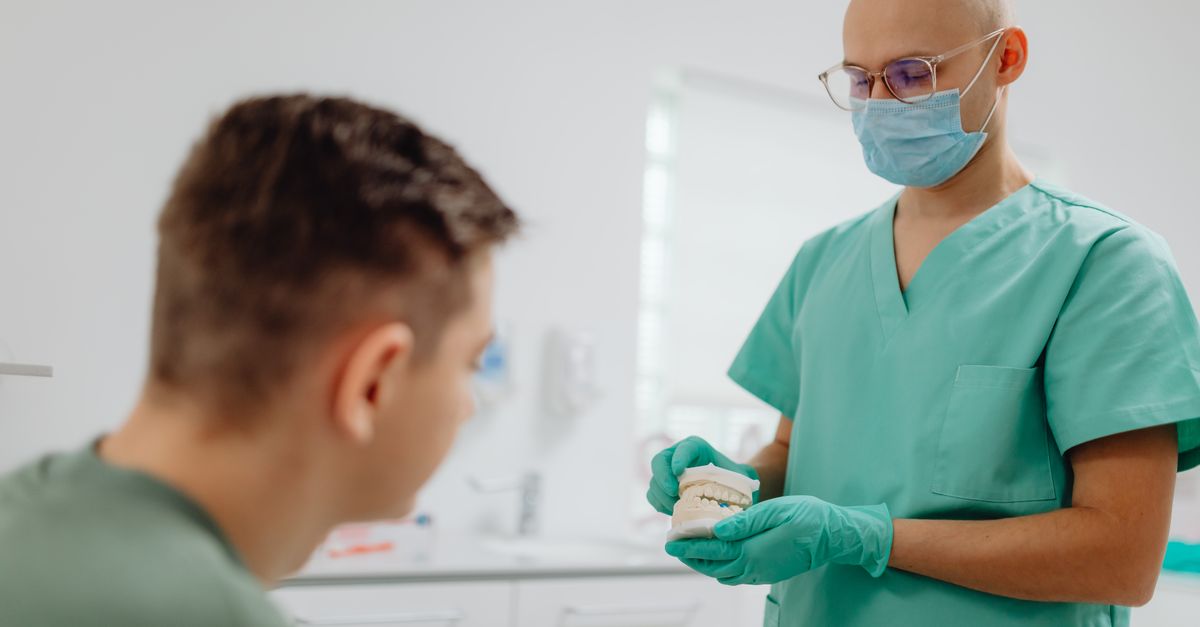
All-on-6 implant treatment is an approach that involves placing 6 dental implants in the upper or lower jaw, followed by the immediate placement of a fixed temporary dental prosthesis. For many patients, one of the main questions is how this temporary fixed prosthesis stage is planned and what it means in day-to-day life. This is especially important for patients considering treatment from abroad, as clear and realistic information can help with decision-making.
A temporary fixed prosthesis should not be seen only as an aesthetic interim solution. It is also a clinical stage that can support speech, social confidence and controlled chewing during healing. However, it does not progress in exactly the same way for every patient. The condition inside the mouth, gum health, bone structure, the presence of infection and the overall treatment plan can all directly affect this stage.
For that reason, the temporary fixed prosthesis process in All-on-6 implant treatment should be approached through individual assessment rather than a standardised package mindset.
What is a temporary fixed prosthesis and why is it used?

A temporary fixed prosthesis is a temporary tooth solution designed to be fixed in place after the implants have been inserted. The aim is not to leave the patient completely without teeth during the healing period and to provide a controlled transition. This prosthesis is not an exact copy of the final one; it is shaped according to the biological and functional requirements of treatment.
In All-on-6 implant treatment, the main purposes of a temporary fixed prosthesis include:
- Providing aesthetic and social comfort in the early stage
- Supporting speech function
- Allowing controlled use during healing
- Helping the clinician observe bite relationships and the overall treatment plan
The important point here is that the word “temporary” should not be underestimated. This stage is one of the carefully managed parts of long-term treatment success.
The process begins with pre-treatment assessment
How the temporary fixed prosthesis will be used is actually planned before the implants are placed. This is because the prosthesis design is assessed together with the jaw structure, the condition of any existing teeth, soft tissue support and the patient’s expectations. This planning becomes even more important in patients with advanced tooth loss, removable denture use, gum problems or a history of previous unsuccessful treatment.
What is assessed at the first consultation?
During the clinical assessment, the following points usually come to the forefront:
- The overall condition of the jaw bone
- The health of the gums and surrounding tissues
- Whether extractions are needed
- Any signs of current infection or inflammation
- The bite and jaw relationship
- Whether a temporary fixed prosthesis can be planned safely
The same-day approach may not be suitable for every patient. The right approach is to assess suitability first and then determine the treatment sequence.
Why is personalised planning important?
In All-on-6 implant treatment, the success of the temporary fixed prosthesis depends not only on placing the implants, but also on how the load on them is managed. Excessive force too early on may affect healing negatively. For that reason, the shape of the prosthesis, its height, contact points and usage advice should all be planned individually.
In patients with high aesthetic expectations in particular, biological safety should be considered alongside appearance. For a healthier outcome, it is important to avoid rushed or overly aggressive approaches.
How does the temporary fixed prosthesis stage progress in All-on-6 implant treatment?
In general terms, the process may involve extractions if needed, placement of the implants and, where appropriate, fitting a fixed temporary prosthesis. However, the details can vary from one case to another. In some patients, the condition of the soft tissues or the available bone support may influence the design of the temporary prosthesis.
What happens immediately after implant placement?
One of the defining features of All-on-6 implant treatment is that, in suitable cases, a fixed temporary dental prosthesis can be placed immediately. At this stage, the aim is to provide a controlled fixed solution without disrupting the biological healing of the implants. Once the temporary prosthesis is fitted, the patient begins adapting to a new distribution of forces in the mouth during the first days.
At this point, the usage advice given by the clinician is very important. Even though it is fixed, the temporary prosthesis should not be treated as though it were the final restoration. Careful use is needed during the early healing phase.
How is the fit of the temporary prosthesis checked?
After placement, the following aspects are assessed:
- Its relationship with the tissues
- Bite balance
- Its effect on speech
- Access for cleaning
- The patient’s overall comfort
Small adjustments may be made if needed. These checks are important both for comfort and for a more controlled healing period.
What should patients expect during healing?

The period after a temporary fixed prosthesis is fitted is one of the parts of treatment that needs the most careful management. Patients often feel relieved to have fixed teeth again, but this does not mean the prosthesis can be used without limits.
Why is care needed with eating and function?
The biological integration of implants with the bone takes time. For that reason, very hard foods, excessive strain or unbalanced chewing habits in the early stage may create risk. While a temporary fixed prosthesis can make daily life much easier, a controlled approach to function remains essential during healing.
Patients should understand this clearly: a temporary prosthesis does not mean treatment is finished. It means a carefully monitored healing period has begun.
Why is oral hygiene so important?
When wearing a temporary fixed prosthesis in All-on-6 implant treatment, cleaning habits are very important. The fact that the prosthesis is fixed does not remove the need for maintenance. On the contrary, regular and correct cleaning is needed to protect the health of the tissues around the implants. This may be even more critical in patients with weaker gum health or a history of periodontal problems.
Before leaving the clinic, the patient should receive clear and practical guidance on cleaning. Even a well-planned treatment progresses more safely when it is supported by good aftercare.
Is a temporary fixed prosthesis the same as the final prosthesis?
No. A temporary fixed prosthesis and a final prosthesis are not used for the same purpose. The temporary prosthesis is planned to help manage the healing period. The final prosthesis is prepared after assessing the condition of the implants, the response of the tissues, function, aesthetic expectations and long-term use goals.
It is important that patients understand this distinction properly. Information gathered during the temporary prosthesis phase can help the final prosthesis be planned in a more balanced way. For example, speech, lip support, bite relationship and cleaning access can all be observed during this period.
Which patients need more careful planning?
Every All-on-6 implant case should be assessed individually, but in some patients the temporary fixed prosthesis stage requires more sensitive planning. These may include:
- Patients with a history of gum disease
- Patients who have been without teeth for a long time
- Patients who have had previous implant or prosthetic failures
- Patients with extractions, infection or advanced tissue loss
- Patients with high aesthetic expectations but limited oral tissues
In these situations, the key is to assess treatment based on biological suitability rather than speed. Appropriate case selection and realistic planning can be important for the longer term.
Why is detailed information especially important for international patients?

For international patients considering implant treatment in Turkey, transparency about the process is especially important. In All-on-6 implant treatment, the temporary fixed prosthesis stage may sound simple when described as “teeth in a day”, but clinically it requires a more detailed assessment than that phrase suggests.
Patients need to understand which part of treatment is temporary, why controlled use is necessary, why maintenance matters and why follow-up is needed before the final prosthesis. This approach can reduce unnecessary expectation-management problems and support more informed decisions.
Conclusion: The temporary fixed prosthesis is a critical part of treatment
In All-on-6 implant treatment, the temporary fixed prosthesis stage is not simply an aesthetic interim period. It has real clinical importance in terms of healing, function, tissue adaptation and long-term planning. For the process to progress as safely and predictably as possible, case selection, personalised planning, careful use and regular follow-up all need to be considered together.
If you are thinking about learning more about All-on-6 implant treatment, the most appropriate approach is to have the process assessed according to your own situation. This is particularly important if you have had gum problems, tooth loss, implant complications or a history of extensive dental treatment, as the temporary fixed prosthesis stage should then be planned in detail.
Frequently Asked Questions
Is a temporary fixed prosthesis used for everyone in All-on-6 implant treatment?
No. Suitability depends on the jaw bone, gum condition, the presence of infection, the need for extractions and the overall treatment plan. The same approach may not be appropriate for every patient.
Can a temporary fixed prosthesis be used like permanent teeth?
No. Because it is fixed, it can provide comfort, but controlled use is still necessary during healing. It should not be thought of in the same way as the final prosthesis.
Will a temporary fixed prosthesis be aesthetically satisfactory?
For many patients, it provides important social and aesthetic support. However, its purpose is not only appearance; supporting function and the healing process is also an important part of this stage.
Is maintenance needed during the temporary fixed prosthesis period?
Yes. Oral hygiene is very important to protect the health of the tissues around the implants. Wearing a fixed prosthesis does not remove the need for cleaning.
When is the final prosthesis planned?
This depends on the patient’s healing process, the condition of the implants and the clinical assessment. The timing is not the same for every patient.


0 Comment
No comments yet. Be the first to comment!