
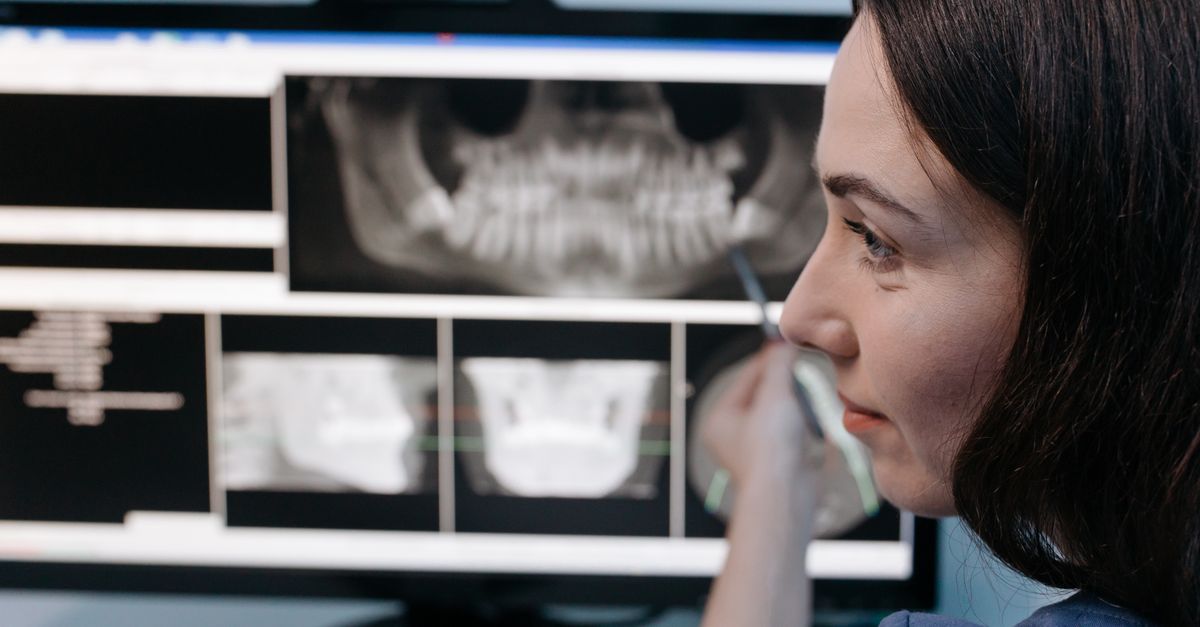
Root canal treatment is carried out to preserve a tooth by removing infected or damaged tissue from inside it. One of the first questions many patients ask is: is pain normal after root canal treatment? The short answer is yes; some patients may notice sensitivity or mild discomfort for a few days after the procedure. However, this does not automatically mean the treatment has failed.
In particular, if there was significant infection, inflammation or marked pain when biting before treatment, the surrounding tissues may remain sensitive for a period afterwards. What matters most is the intensity of the pain, how long it lasts, and whether it improves over time.
In this article, we look at the possible causes of pain after root canal treatment, what may be considered a normal part of healing, and when a further assessment may be appropriate.
Is pain after root canal treatment normal?

It is possible to feel mild to moderate discomfort after root canal treatment. The main reason is often not the tooth itself, but the tissues around the tooth being affected by the procedure. During treatment, the root canals are cleaned, shaped and filled. If the tooth was already infected beforehand, healing may take a little longer because of the inflammation already present in the surrounding tissues.
Many patients may briefly experience complaints such as:
- Sensitivity when biting down
- Discomfort while chewing
- Mild aching around the tooth
- Sensitivity in the treated area for a few days
On their own, these symptoms may not be concerning, especially in the first few days. However, pain that becomes progressively worse, starts throbbing, or is accompanied by facial swelling should be assessed more carefully.
Why does pain happen?
There is no single reason for pain after root canal treatment. A number of factors can play a role, including the condition of the tooth before treatment, how extensive the infection was, the anatomy of the tooth, and the pressure placed on it during chewing.
Existing infection and tissue sensitivity
If there was an infection around the root before treatment, it may take time for that area to settle completely afterwards. Even if the inside of the canal has been cleaned, the surrounding tissues may not return to normal immediately.
Pressure during chewing
The treated tooth may feel sensitive when pressure is applied for a few days. For that reason, chewing hard foods can make the discomfort more noticeable.
Temporary filling or a high bite
In some cases, the temporary or final restoration placed after treatment may sit slightly high in the bite. This can cause the tooth to take more pressure each time the teeth come together, leading to pain. If this happens, a dentist may need to review it.
Severity of pain before treatment
Teeth that were very painful, severely inflamed or problematic for a long time before treatment may recover more slowly afterwards.
What should you expect during recovery?
Recovery is not the same for every patient. In general, however, sensitivity is expected to reduce over the first few days after root canal treatment. Discomfort that is especially noticeable when chewing often tends to ease with time.
During recovery, the following points are important:
- Chew carefully on the treated side for a while
- Avoid very hard or challenging foods
- Maintain good oral hygiene
- Follow the review plan recommended by your dentist
Having had root canal treatment does not mean the tooth will no longer be felt at all. Even though the nerve inside the tooth has been removed, the ligament and tissues around the root are still alive. For that reason, some sensitivity, particularly when biting, can still be present.
Which symptoms may be considered normal?

After root canal treatment, the following symptoms may often be part of a short-term healing period:
- Mild aching in the first few days
- Sensitivity when biting down
- Manageable discomfort during chewing
- Sensitivity that gradually decreases over time
The main point is whether the symptoms are easing rather than worsening. If the discomfort reduces day by day and does not seriously affect daily life, that is generally in keeping with an expected recovery pattern.
When should you contact a dentist?
Some symptoms may require a further review. In particular, it is sensible to contact your dentist if you notice any of the following:
- Pain that is getting worse rather than better
- Swelling in the face or gum
- Throbbing pain that wakes you at night
- Severe sensitivity making the tooth impossible to touch
- Chewing pain that does not settle over time
- A temporary filling that has come out or fractured
Sometimes the issue may be something as simple as the bite needing adjustment rather than an ongoing infection. For that reason, if you are uncomfortable after treatment, a clinical assessment is usually more helpful than trying to interpret it yourself.
What should you be careful about after root canal treatment?
It helps to be cautious and measured during healing to make the recovery period more comfortable. The following suggestions may be useful in general:
- Avoid chewing very hard foods on the treated tooth
- Keep up regular oral hygiene
- Do not miss planned appointments or reviews
- Tell your dentist if the tooth feels high when you bite
- Request an assessment if you notice unexpected pain, swelling or pressure
For international patients in particular, a clear follow-up plan after treatment is important. It is not always easy to tell the difference between short-term sensitivity and a situation that may need further intervention. As before treatment, an individual assessment remains important afterwards as well.
Does root canal treatment always stop pain immediately?

The aim of root canal treatment is to preserve the tooth by removing infected or damaged tissue. However, complete and immediate relief does not happen in exactly the same way for every patient. In teeth with more advanced infection, the surrounding tissues may take time to settle.
For that reason, feeling some sensitivity straight after the procedure does not on its own mean that the treatment has not worked. What matters is that symptoms are assessed in the context of the overall clinical picture.
Conclusion
Root canal treatment can be followed by some pain or sensitivity, and this is often part of a short-term healing period. In particular, tenderness on biting, mild aching or discomfort lasting a few days may be considered normal on their own. By contrast, increasing pain, swelling, throbbing or marked discomfort that continues should be reassessed.
The best approach is to monitor symptoms without either exaggerating them or ignoring them. Individual assessment, accurate diagnosis and an appropriate follow-up plan all play an important role in managing the period after root canal treatment well.
Frequently Asked Questions
How many days does pain last after root canal treatment?
This varies from person to person. Mild sensitivity may last for a few days. The key point is whether the discomfort gradually improves.
Is it normal to feel pain when biting after root canal treatment?
Yes, sensitivity during chewing or biting can happen, especially in the first few days. However, if it becomes more severe, it should be assessed by a dentist.
Can swelling happen after root canal treatment?
Swelling is not expected in every patient. If there is noticeable swelling, it may require further assessment.
Why does a tooth still hurt after root canal treatment?
The tissues around the tooth may remain uncomfortable for a while because of the infection that was present before treatment or because of post-procedure sensitivity. Mechanical factors, such as the bite being slightly high, can also cause pain.
What should I do if the pain does not go away after root canal treatment?
If the pain is not reducing, is getting worse, or is accompanied by symptoms such as swelling, you should contact your dentist.

0 Comment
No comments yet. Be the first to comment!