

Decay or a fracture in a tooth is not always treated in the same way. In some cases, a filling is sufficient; in others, root canal treatment, more extensive restorative care, or in advanced damage, extraction may need to be considered. For that reason, the right decision is not made simply by looking at the visible hole or crack. The vitality of the tooth, the amount of lost structure, the duration of symptoms, and the overall condition inside the mouth should all be assessed together.
Many people ask, especially once pain begins, “Can it just be filled straight away?” In reality, whether a filling is appropriate depends on whether the decay is limited to enamel and dentine, whether it is close to the nerve, whether the fracture is superficial or deep, and whether enough sound tooth remains to withstand chewing forces. The aim is not only to close a gap, but to preserve the tooth in the healthiest and most functional way possible.
If you would like a broader look at filling treatment, you can also read Dental Filling Treatment: Aesthetic and Functional Repair Options for Decayed Teeth.
When is a dental filling appropriate?

A filling is usually considered when the damaged part of the tooth can be cleaned away and enough healthy tooth structure remains to support function afterwards. The most common reason is tissue loss caused by decay, but fillings may also be used for small fractures, leakage around older fillings, or limited wear-related loss of tooth substance.
If the decay is limited
If the decay is confined to the outer layers of the tooth and has not progressed into the pulp, which contains the nerve tissue, a filling is often enough. In this situation, the goal is to remove the decayed tissue and restore the tooth’s shape and function.
If the fracture is small and repairable
If the damage is limited to a small chipped corner or a minor crack or fracture on the biting surface, repair with a filling may be possible. However, if the fracture extends below the gumline or significantly weakens the tooth, other treatment options may need to be assessed.
If an old filling is no longer adequate
Older fillings that have broken down at the edges, developed recurrent decay underneath, or fractured themselves may sometimes be replaced. The important question is whether there is still enough remaining tooth structure to support a new filling safely.
How is the decision made between a filling, root canal treatment, or extraction?
When decay is found in a tooth, the only question is not “Can it be filled?” The more important issue is whether the vitality of the tooth can still be preserved. If the decay has become deep, caused pain for a prolonged period, or led to signs of infection, a filling alone may not be enough.
Cases that may be managed with a filling
Short-lived sensitivity, superficial to moderate decay, and lesions that have not reached the nerve tissue can often be managed with a filling. In these cases, preserving the natural tooth structure is usually the priority.
When root canal treatment may be considered
If there is persistent pain, throbbing that worsens at night, prolonged sensitivity to hot or cold, or clinical signs suggesting the nerve tissue may be affected, root canal treatment may need to be considered. For a more detailed explanation, you can read Is Pain Normal After Root Canal Treatment? What to Expect During Recovery.
When extraction may be assessed
In some teeth, decay or fracture becomes so advanced that keeping the tooth safely and functionally in the mouth may no longer be realistic. If destruction extends to the root level, there is advanced infection, or not enough healthy structure remains for restoration, extraction may be considered. For general information on that decision, see When Is Tooth Extraction Necessary? The Safe Extraction Process and What to Watch Afterward.
What determines whether a broken tooth can be repaired with a filling?
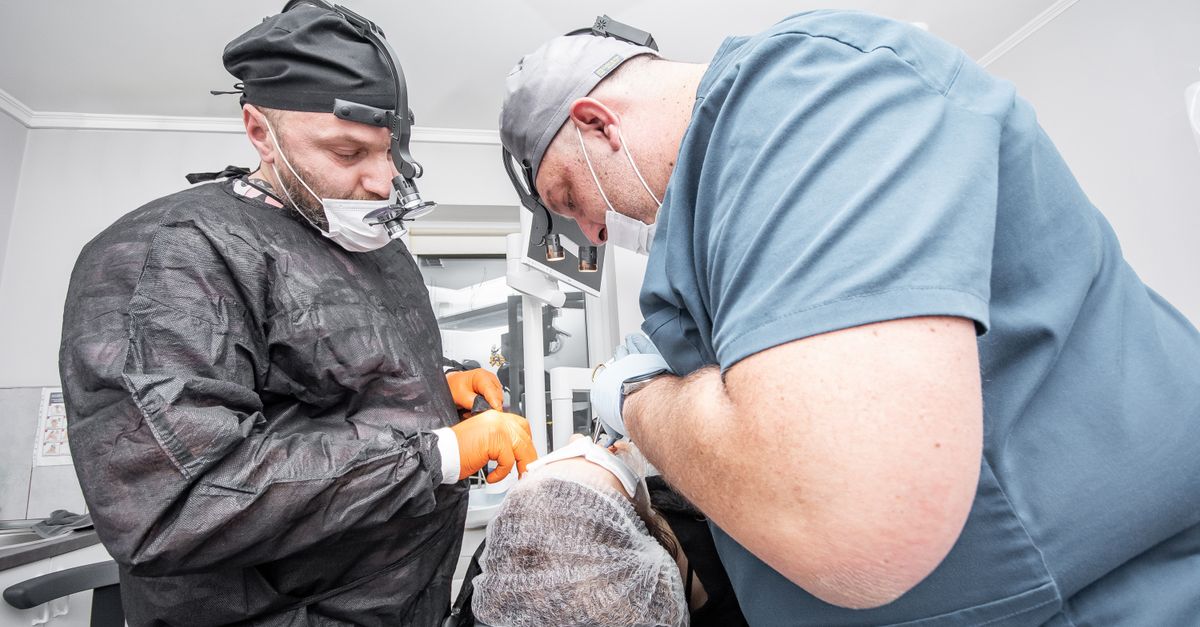
In a broken tooth, the decision is based not only on the size of the break, but also on its direction, location, and which part of the tooth is involved. In front teeth, aesthetic expectations may also matter, but the main goal remains the same: preserving the tooth in a healthy way.
Fractures that may be repaired with a filling
Superficial edge chips, small corner fractures, and limited enamel-dentine damage can often be restored with a filling. In these cases, both appearance and function may be reasonably recovered.
Fractures that require more comprehensive planning
If the fracture affects a larger area, carries a risk of re-fracture under chewing pressure, or involves the pulp, a filling alone may not be enough. In that situation, the biological condition of the tooth should be assessed first, and then the most conservative suitable option can be planned.
Aesthetic concerns should not lead to unnecessary treatment
For patients researching treatment abroad, cosmetic expectations can sometimes take centre stage. However, when a fracture is small, it is sensible to consider more conservative options where possible rather than procedures that remove more tooth tissue than necessary. Where aesthetic planning is relevant, Smile Design Treatment: Aesthetic Smile Planning That Suits Your Facial Features should still be approached with oral health as the foundation.
What is assessed during the examination?
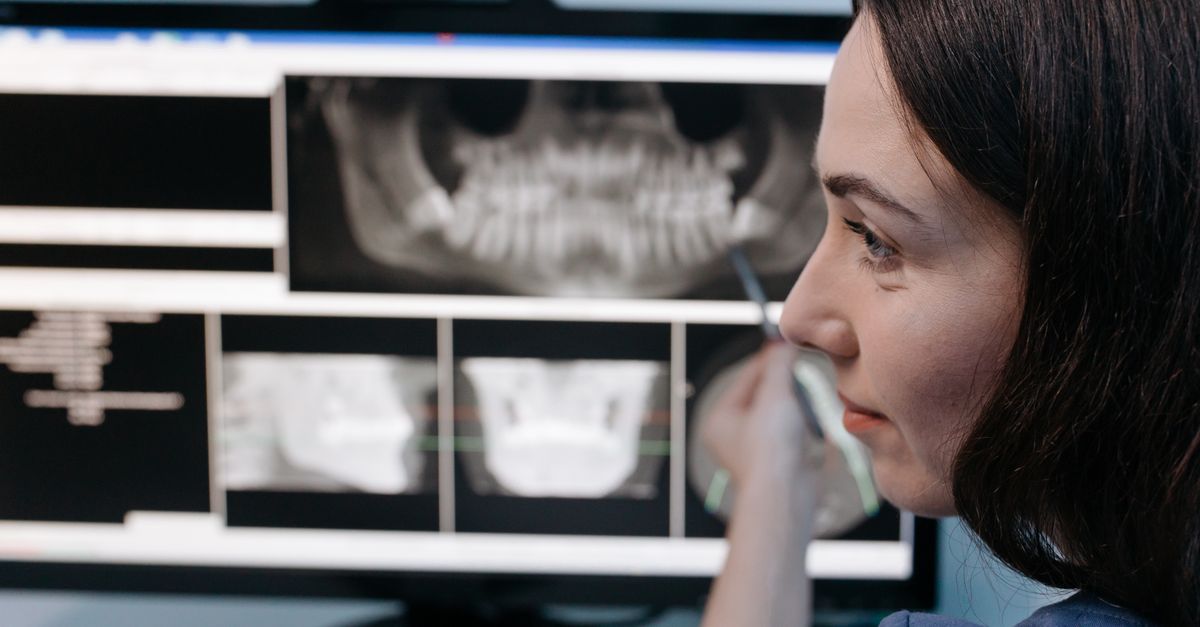
The decision to place a filling is not based on pain alone. During the clinical examination, and with imaging where needed, several factors are considered together.
- The depth and spread of the decay
- Whether the fracture reaches enamel, dentine, or deeper tissues
- The vitality of the tooth and the history of sensitivity
- The condition of any previous restorations
- The health of the gums and surrounding tissues
- The bite relationship and chewing load on the tooth
- Whether the tooth is likely to be maintainable in the longer term
This assessment is particularly important for patients who have previously had unsuccessful treatment or who are understandably cautious about rushed decisions. The right approach is not to carry out the same procedure on every tooth, but to identify the most suitable and most conservative option for the specific situation.
When should you seek assessment without delay?

Not every sensitivity issue is urgent, but some signs should not be left too long before assessment. A problem that may initially be manageable with a filling can, over time, require more extensive treatment.
- Food catching in a tooth or a feeling of a hole
- Sensitivity to hot, cold, or sweet foods and drinks
- A visible fracture or loss of part of the tooth
- An old filling falling out or feeling as though it is leaking at the edge
- Pain during chewing
- Bad odour or repeated food trapping
Early assessment does not always mean the treatment will be simple, but delaying assessment often narrows the available options.
Conclusion: the aim is not simply to fill a space, but to protect the tooth properly
Filling treatment is a common and effective option for decayed and broken teeth, but it is not an automatic solution in every case. The right decision depends on the extent of damage, whether the tooth is still vital, how much sound structure remains, and the overall state of oral health. Sometimes a filling is the most conservative choice; in other cases, root canal treatment or extraction may be more appropriate.
What matters is that treatment is planned not only for short-term relief, but for the longer-term health of the tooth. If decay has progressed, the fracture is deep, or problems have developed in a tooth that has already been treated before, an individual assessment is the safest approach.



0 Comment
No comments yet. Be the first to comment!