
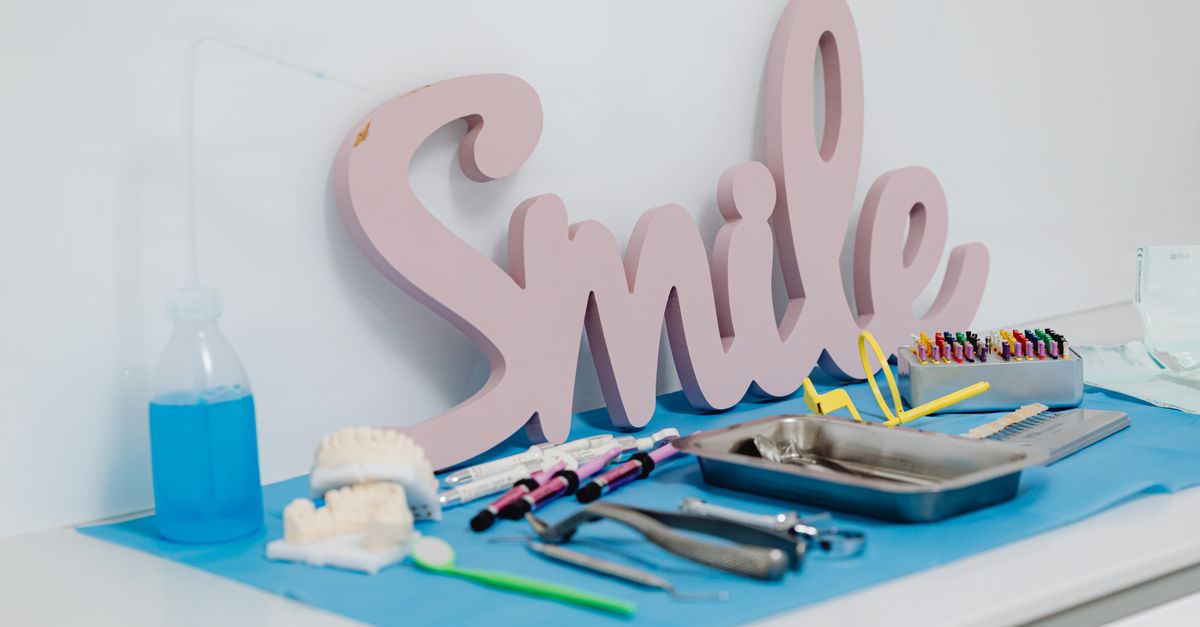
Smile design is not a superficial treatment aimed only at making teeth look whiter or straighter. The main goal is to create a natural, balanced, and personalised smile plan by assessing the person’s facial features, lip structure, tooth size and alignment, gum appearance, and overall oral health together.
For that reason, well-planned smile design is based on individual assessment rather than a standard template. This approach is especially important for patients considering treatment abroad, because long-term dental and gum health should be considered alongside aesthetic expectations.
What is smile design?

Smile design is a planning process within aesthetic dentistry that aims to achieve a smile suited to the patient’s oral structure and facial proportions. The goal is not to give everyone the same look, but to plan a result that works in harmony with the person’s natural facial expression.
During this planning process, the following are assessed together:
- The colour, shape, and size of the teeth
- The bite and alignment of the teeth
- How much gum shows when smiling
- Lip support and the smile line
- Existing fillings, crowns, or previous cosmetic work
- Overall oral and gum health
When needed, smile design may also be considered in connection with broader implant planning or other dental treatments. However, the same method is not used for every patient; the plan is decided after a clinical examination.
Why does smile design need a personalised plan?
Face shape, jaw structure, gum level, and the natural position of the teeth differ from one person to another. Because of this, an approach that looks aesthetic in one patient may appear artificial or unsuitable in another. Personalised planning offers a more balanced route in terms of both appearance and function.
Harmony with facial features
The length, width, and visibility of the teeth should be assessed together with the overall proportions of the face. The aim is to achieve a balance that looks natural when speaking and smiling.
Gum health comes first
It is important to assess gum health before planning aesthetic treatment. Cosmetic procedures carried out on unhealthy gum tissue may not support the desired appearance. Oral health is the foundation of aesthetics.
Protecting function
Smile design is not done simply to look good in photographs. Chewing function, bite relationships, and protection of the teeth are also part of the planning. Rather than aggressive approaches that require excessive reduction of tooth structure, it is important to consider options that preserve existing tooth tissue where possible.
How does the smile design process progress?
Although the process varies according to the patient’s needs, it generally moves forward through careful assessment and step-by-step planning. For international patients in particular, it is important to clarify expectations before treatment and to assess oral health properly.
1. Examination and needs assessment
At the first stage, the teeth, gums, bite, and any existing restorations are assessed. While the patient’s aesthetic concerns are listened to carefully, the procedures that are genuinely appropriate are considered in light of the clinical findings.
2. Assessment of oral health
If there are cavities, fractures, infection, gum problems, or issues related to previous treatment, these should be addressed in the planning. For example, some patients may need assessment related to root canal treatment before aesthetic planning. This shows why health should be considered before appearance.
3. Creating a suitable aesthetic plan
At this stage, the shape, length, alignment, and overall smile line are reviewed. Where appropriate, different approaches may form part of the plan, such as veneer application, aesthetic dental treatments, orthodontic treatment, or implant treatment. However, the right option depends on the patient’s existing oral condition.
4. Carrying out treatment in a controlled way
Once planning is complete, the treatment steps are carried out in sequence. The important point is not to create a standardised appearance through rushed decisions, but to move towards a natural, balanced result that is compatible with oral health.
Which treatments may be considered in smile design?

Smile design is not the name of a single procedure; when needed, it may involve planning more than one treatment together. That said, the same combination is not suitable for every patient.
- Veneer application: This may be considered to improve the appearance of the front surfaces of the teeth.
- Aesthetic dental treatments: These may form part of the plan in terms of tooth shape, colour harmony, and overall appearance.
- Orthodontic treatment: In cases of crowding or alignment problems, this may be considered as a more conservative option.
- Filling: In some teeth with fractures, wear, or shape irregularities, fillings may be used for aesthetic refinement.
- Implant treatment: Where teeth are missing, implant treatment may be included to support the overall smile.
The key point here is to avoid unnecessary procedures in the name of aesthetics. The most appropriate approach should be chosen in a way that causes the least harm to tooth structure and protects function.
Who may benefit from a smile design assessment?
Many adult patients who are unhappy with their smile may be assessed for smile design. However, suitability can only be determined through a clinical examination.
An assessment is commonly requested in situations such as:
- Not being happy with the colour, size, or shape of the teeth
- Noticeable gum display when smiling
- Old crowns, fillings, or cosmetic work that do not look natural
- Broken, worn, or uneven front teeth
- Disruption of the smile due to missing teeth
- The need for a second opinion after previous treatment
In patients planning treatment from abroad, requests for a second opinion are especially common when previous aggressive cosmetic work or poorly matched restorations are involved. In these cases, the aim is not simply to change the appearance, but also to reassess oral health.
What matters for a natural-looking result?
A natural-looking smile design is not only about white, symmetrical teeth. Harmony with the face, suitability for the patient’s age, gum balance, and the way the smile appears during speech also matter.
Avoiding an overly white, uniform look
Very bright teeth with exactly the same shape do not look natural in every patient. A more balanced aesthetic approach often fits the person’s overall facial expression better.
Preserving existing tooth structure
Where appropriate, it is important to consider conservative options. When setting aesthetic goals, avoiding unnecessary removal of healthy tooth tissue is a basic principle.
Thinking long term
Good planning considers not only the initial appearance, but also maintenance needs, oral hygiene, and functional balance. For that reason, treatment decisions should be made through informed assessment rather than in haste.
Why is careful assessment especially important for international patients?

For international patients considering dental treatment in Turkey, safe and realistic planning matters just as much as aesthetic expectations. Rather than making quick decisions, it should be clearly discussed which procedures are necessary and which may create unnecessary risk.
Particular attention should be given to the following:
- Adequate assessment of the current condition of the teeth and gums
- Realistic discussion of aesthetic expectations
- Offering alternative treatment options where needed
- Not overlooking problems arising from previous treatment
A personalised approach makes it possible to create a plan suited to the patient’s own oral structure rather than applying a standard cosmetic template. This supports a more balanced and better-informed treatment process.
Conclusion
Smile design is not simply a search for a more attractive appearance. It is a personalised planning process in which facial features, tooth structure, gum health, and function are assessed together. The right approach is not to recommend the same treatment for everyone, but to analyse the patient’s needs carefully and identify suitable options.
If you are unhappy with the appearance of your teeth, or would like a second opinion about previous cosmetic treatment, the first step is a thorough assessment to identify the approach that may suit you best.
Frequently asked questions
Is smile design only for cosmetic purposes?
No. Aesthetics are an important part of smile design, but gum health, bite balance, and overall oral function are also assessed.
Does everyone need veneers in smile design?
No. Veneer application may be suitable for some patients, but it is not necessary in every case. In some situations, orthodontic treatment, fillings, implant treatment, or other aesthetic dental treatments may be more appropriate.
How is a natural appearance achieved?
A natural appearance is achieved by planning the teeth in harmony with the patient’s facial features, lip structure, gum level, and overall facial expression. The aim is not a one-size-fits-all look, but a balance that suits the individual.
Can smile design be planned after previous cosmetic treatment?
Yes. Some patients seek a second opinion because of earlier crowns, fillings, or cosmetic procedures. The appropriate approach can only be decided after the current condition has been assessed clinically.



0 Comment
No comments yet. Be the first to comment!