

Missing teeth are not only an aesthetic concern. They can lead to reduced chewing function, changes in speech, movement of neighbouring teeth, and imbalance in the jaw structure over time. For that reason, implant treatment is not simply about filling a gap. It requires a broader assessment of oral health as a whole.
Dental implants are one of the treatment options planned to replace missing teeth by making use of support from the jawbone. However, the same approach is not right for every patient. Bone structure, gum health, the number of missing teeth, the overall condition of the mouth, and the patient’s expectations should all be considered together. That is why personalised planning is one of the most important parts of treatment.
What is implant treatment?

Implant treatment is a treatment approach in which a dental restoration is planned on an artificial root placed in the area of a missing tooth. The aim is to support both function and a result that looks close to natural. It may be considered in different situations, from a single missing tooth to multiple missing teeth.
The main goal is not only to close the space, but also to help preserve chewing balance, harmony within the mouth, and long-term oral health. For this reason, implant planning looks not only at the missing tooth itself, but also at the surrounding tissues.
Key aspects of implant treatment
With careful case selection and detailed planning, implant treatment may be an important option in the following areas:
- Supporting chewing function in the area of a missing tooth
- Helping to reduce unnecessary strain on neighbouring teeth
- Contributing to balance within the mouth
- Providing personalised aesthetic and functional planning
For patients with several missing teeth, different implant-based solutions may be considered. In more extensive cases, it may also be helpful to read about how the temporary fixed prosthesis process progresses in All-on-6 implant treatment.
Who may be suitable?
Although implant treatment may be considered for many adult patients, suitability cannot be decided without an examination. Not every case of missing teeth is the same. Some patients may have sufficient bone support, while in others gum health or existing restorations may need to be assessed first.
Main factors considered during assessment
- The position and number of missing teeth
- The overall condition of the jawbone
- Gum health and oral hygiene
- The condition of the existing teeth
- The patient’s functional and aesthetic expectations
For patients considering treatment abroad in particular, personalised planning becomes even more important. Rather than a standardised approach, a detailed assessment of the mouth helps create a safer and more realistic treatment plan.
How is implant treatment planned?

Good implant treatment is based on a planning process that begins before the procedure itself. At the first stage, the condition inside the mouth is assessed, the area of the missing tooth is examined, and it is determined whether the treatment is appropriate. Where needed, alternative options should also be discussed.
The importance of personalised planning
Every patient has a different bone structure, gum level, bite, and aesthetic expectation. For that reason, the position and number of implants, as well as the way the final restoration is planned, should be considered individually. This is especially important for patients who have had unsuccessful treatment in the past or who are concerned about overly aggressive cosmetic procedures.
Different scenarios, from one missing tooth to multiple gaps
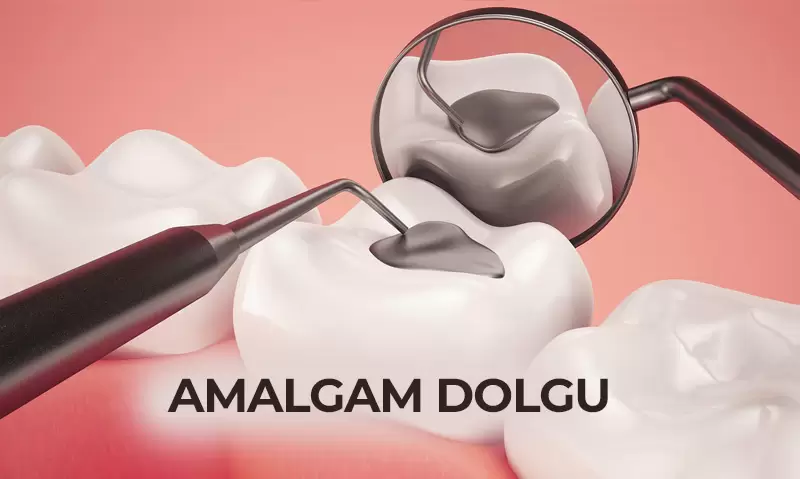
In some patients, an implant may be planned for a single missing tooth, while others may need a more extensive restorative approach. If an implant is not suitable for the area involved, or if another issue should be addressed first, different treatments may come into consideration. For example, where there is decay or structural loss in a tooth, conservative options such as dental filling treatment may also be assessed.
Advantages of implant treatment and points to consider
Although implant treatment can be a strong option in suitable patients, the advantages and limitations should always be considered together. To make a sound decision, it is important to understand not only the potential benefits, but also the need for maintenance and the possible risks.
Possible advantages
- May provide more balanced chewing support in the area of a missing tooth
- May allow planning for a result close to the appearance of a natural tooth
- May be a more conservative option depending on the condition of neighbouring teeth
- May support a personalised balance between aesthetics and function
Points to keep in mind
- Not every patient may be suitable for implants
- Gum health plays an important role in treatment success
- Regular attention to oral hygiene is essential
- Treatment planning should be based on clinical assessment rather than being rushed
Implant planning can sometimes affect not only the missing tooth area, but also the overall aesthetic balance. For that reason, for some patients, aesthetic considerations linked to smile design treatment may also form part of the plan. Even so, oral health and function should always remain the main priority.
Why should international patients ask for a personalised assessment?
For international patients considering dental treatment in Turkey, one of the most important issues is avoiding standard solutions offered in the same way to everyone. If implant treatment is planned without taking the person’s bone structure, gum condition, and overall oral health into account, it may lead to problems in the longer term.
The right approach is therefore to assess the patient not only through aesthetic expectations, but according to genuine clinical needs. This is particularly important for patients who have had treatment before, are seeking a second opinion, or want a cautious, evidence-based approach to oral health.
Questions patients should ask before implant treatment

Before deciding on treatment, it may be helpful to ask for clear information on the following points:
- Is my oral structure suitable for an implant?
- Is there an alternative treatment option for this area?
- How are the gums and bone assessed during planning?
- What should I pay attention to in terms of aftercare?
- How will the balance between function and aesthetics be managed?
These questions can help patients make a more informed decision and make the treatment process more transparent.
Conclusion
Implant treatment is an important treatment option planned as a lasting solution for missing teeth. However, the foundation of a sound approach is not a quick decision, but proper examination, careful assessment, and personalised planning. Rather than one-size-fits-all solutions, an approach that places the patient’s oral health at the centre is both safer and more realistic.
If you are experiencing loss of function because of a missing tooth, have aesthetic concerns, or would like a second opinion on a treatment plan that has already been suggested, the best place to start is with an individual assessment.
Frequently Asked Questions
Can implant treatment be used for everyone?
No. Suitability depends on the patient’s jawbone, gum health, oral hygiene, and overall oral condition. This cannot be determined clearly without an examination.
Is implant treatment only for aesthetic purposes?
No. Although aesthetics matter, one of the main aims of implant treatment is to support chewing function and balance within the mouth.
Can an implant be used for a single missing tooth?
Yes, implant treatment may be considered for a single missing tooth. However, the most appropriate option should be decided only after the bone and gum condition in that area have been assessed.
May other treatments be needed before implant treatment?
Yes. In some patients, gum health may need to be assessed first, an extraction may be required, or existing dental problems may need to be addressed. Planning is based entirely on individual clinical needs.

0 Comment
No comments yet. Be the first to comment!